What is the colour that, throughout time, has become the symbol of power, passion, and spiritual elevation?
In the church of San Vitale in Ravenna, the mosaic depicting Emperor Justinian is made up of purple tiles, and the same goes for Empress Theodora: her cloak is purple, bordered with gold.
The secret of this pigment was guarded by the Phoenicians, who amassed enormous wealth, dyeing the fabrics worn by Roman emperors and nobles. Purple is a magical and esoteric colour with vague boundaries: red, scarlet, violet, turquoise, or pink-violet.
To supply the powerful with their cloaks, the Phoenicians and their successors killed millions of molluscs (two gastropods: Thais haemastoma and Murex brandaris), from whose glands the violet pigment was extracted—each gland could produce just a single drop.
John Cage called purple the most coveted colour of the ancients and at the same time, the most impure; Mark Rothko used it in broad fields and in all its variations to infuse his paintings with sensuality and disquiet; Sigmar Polke bought a large load of molluscs in Naples to witness the production of purple firsthand. The allure of this dye lies in its iridescent nature, caused by light diffraction through cracks in the thin layer of pigment on textile fibres. Purple also evokes blood and vital energy, the strength connected to the body, emotions and impulses.
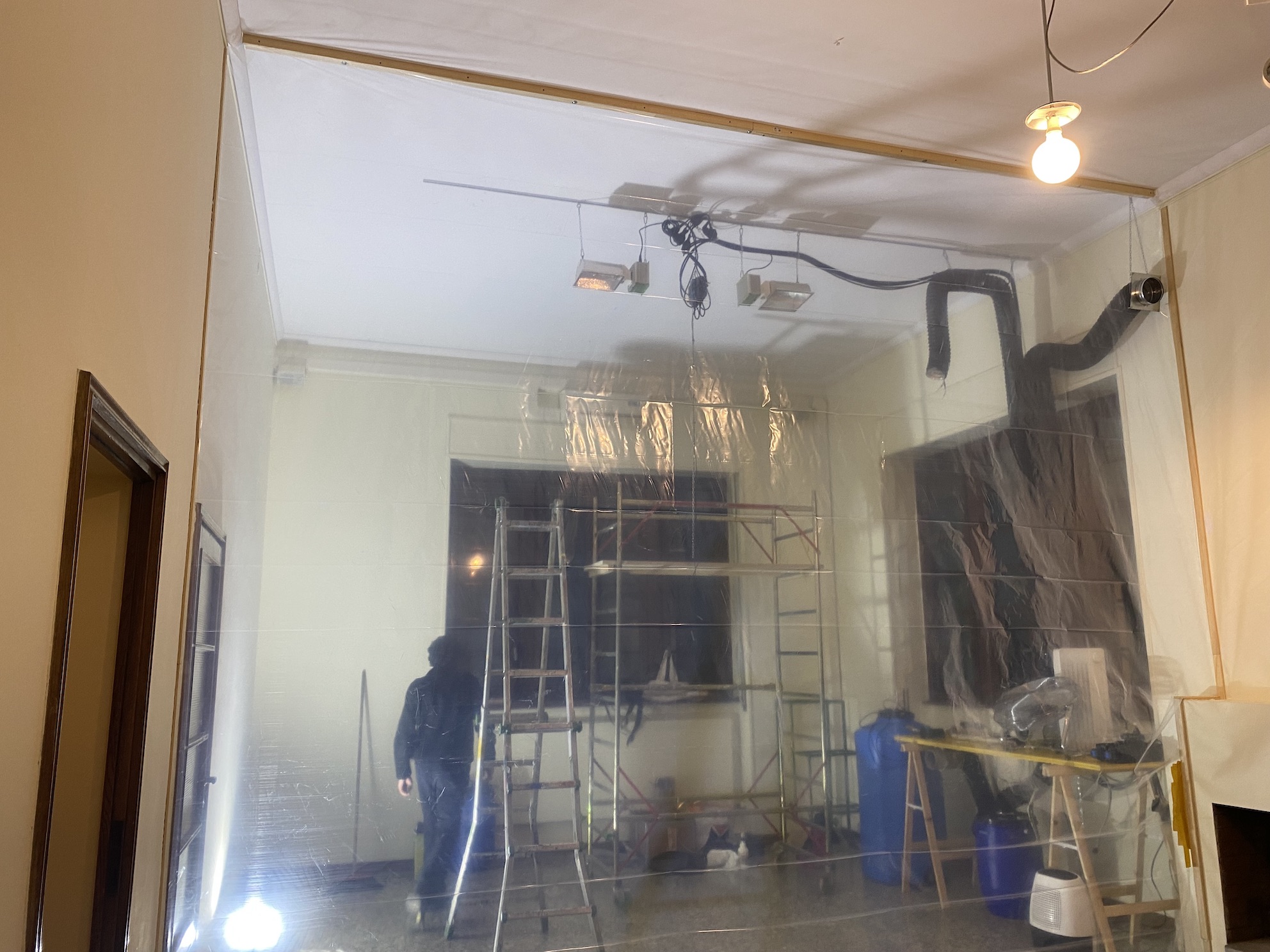
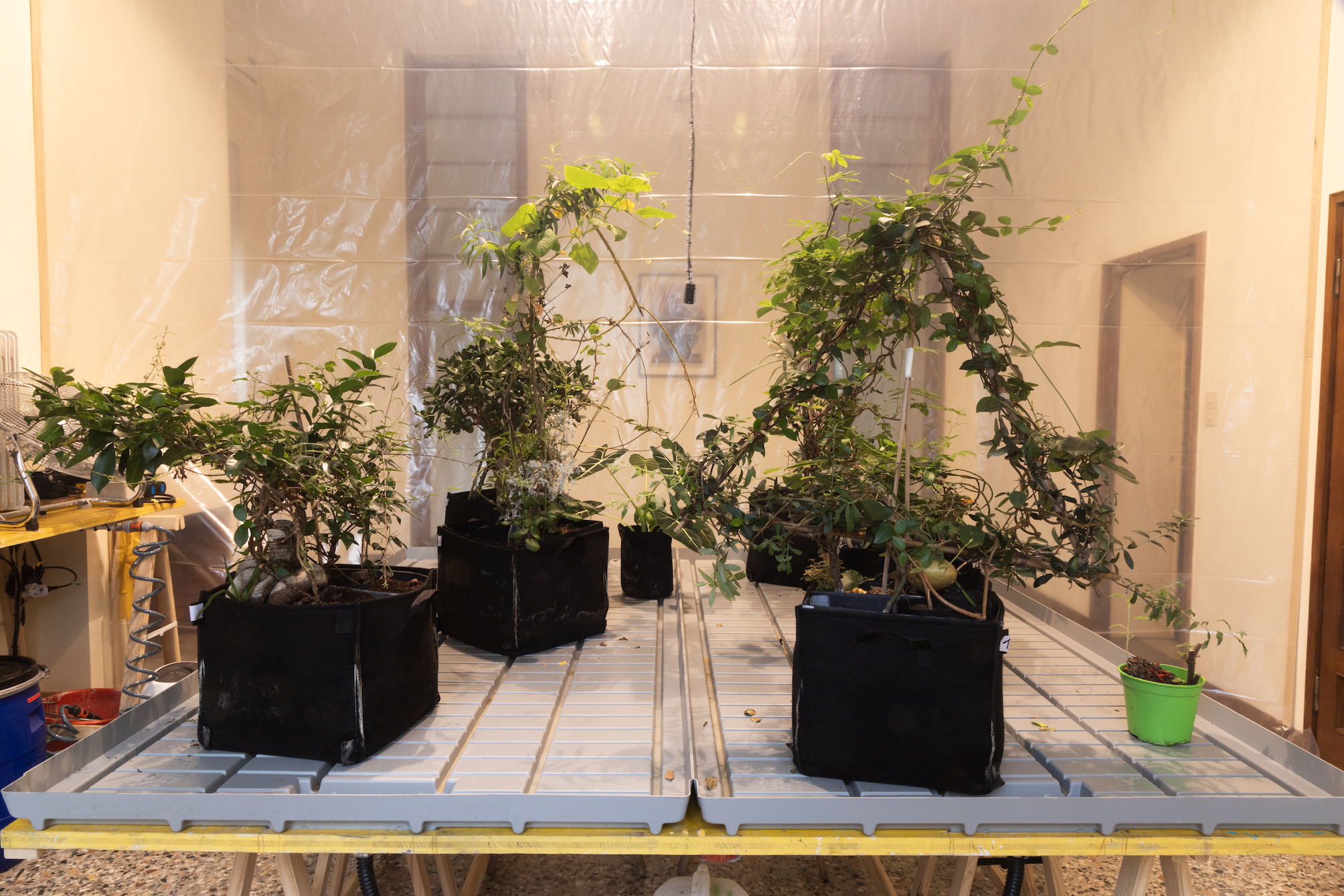
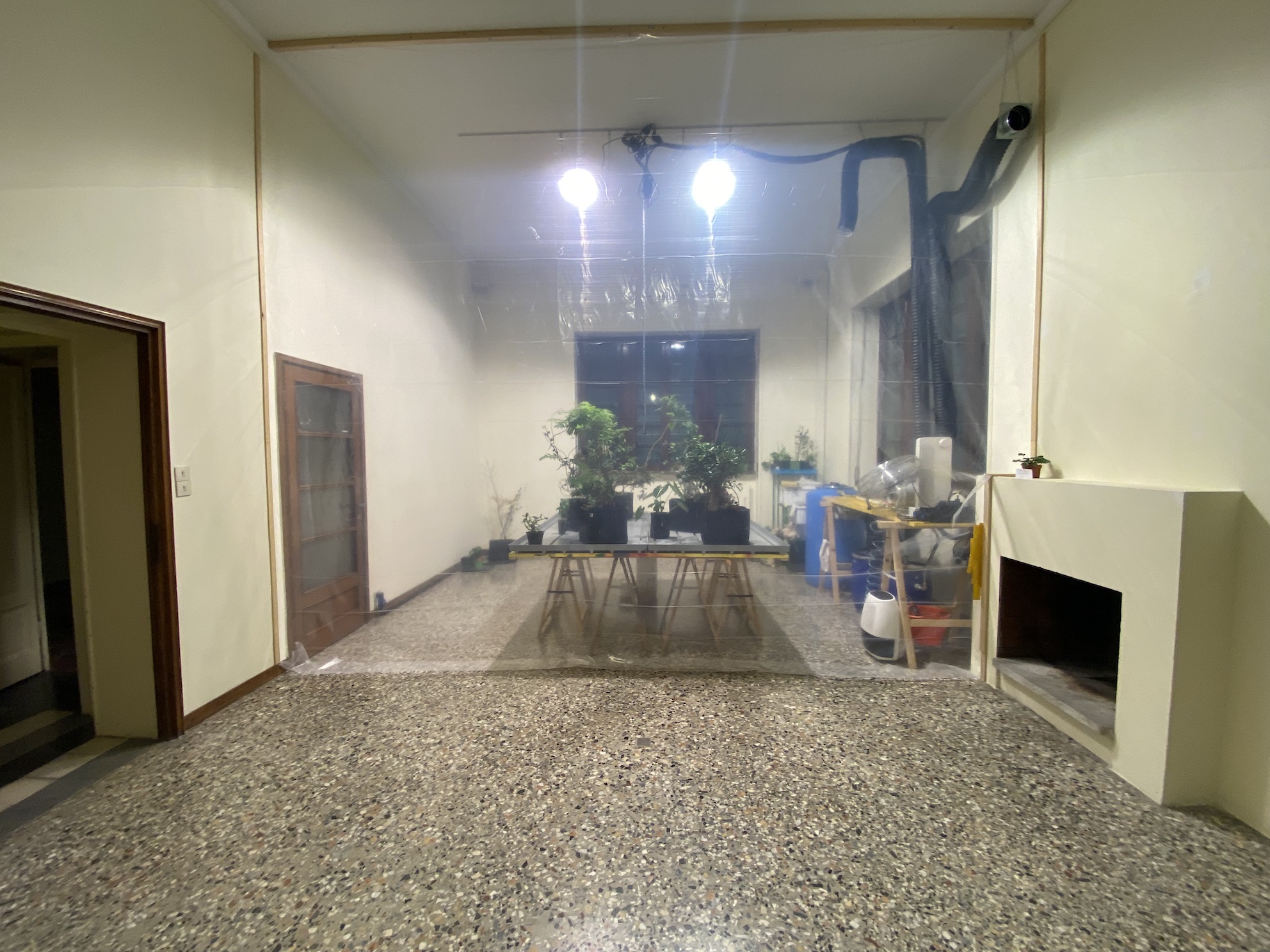
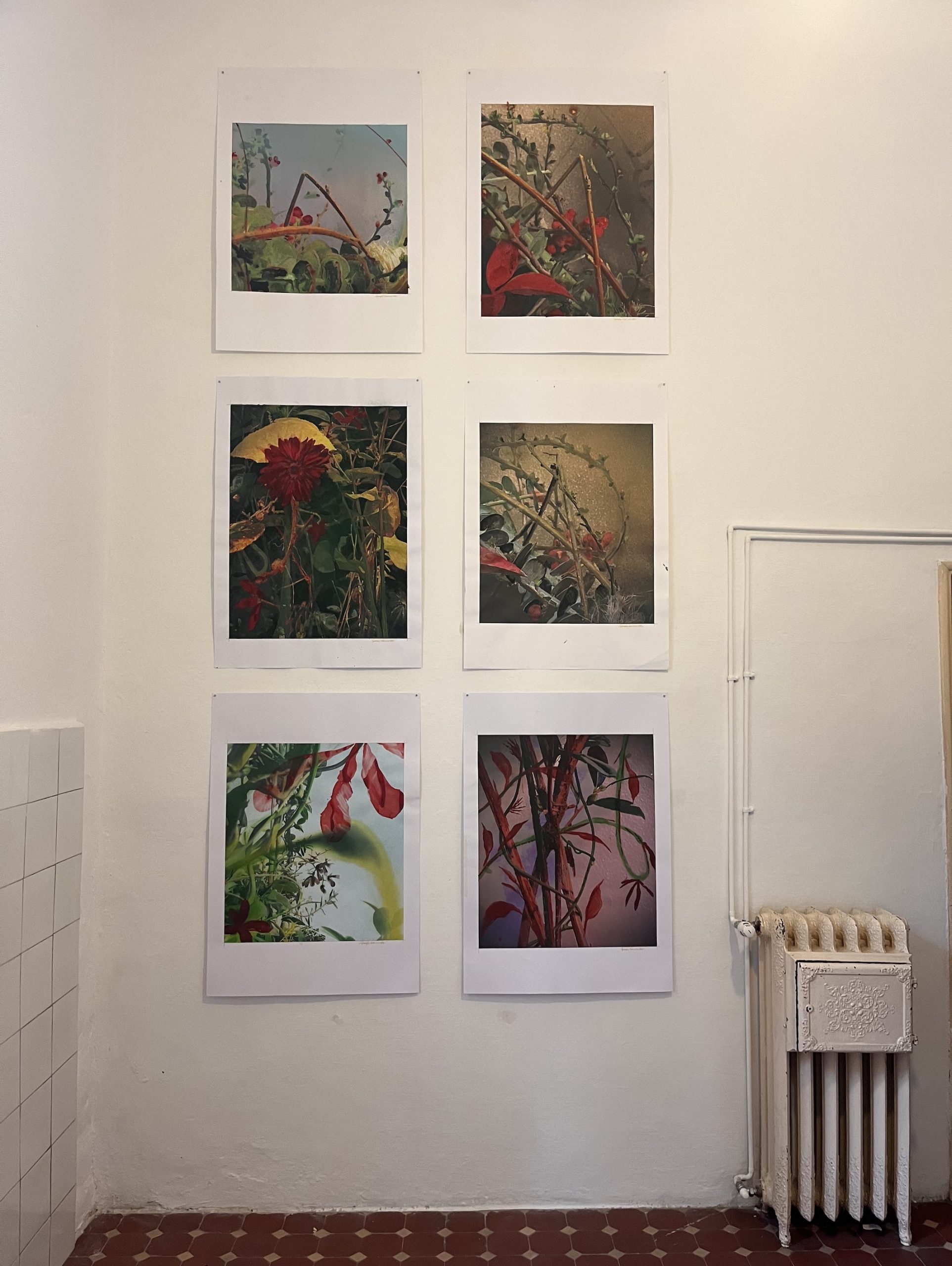
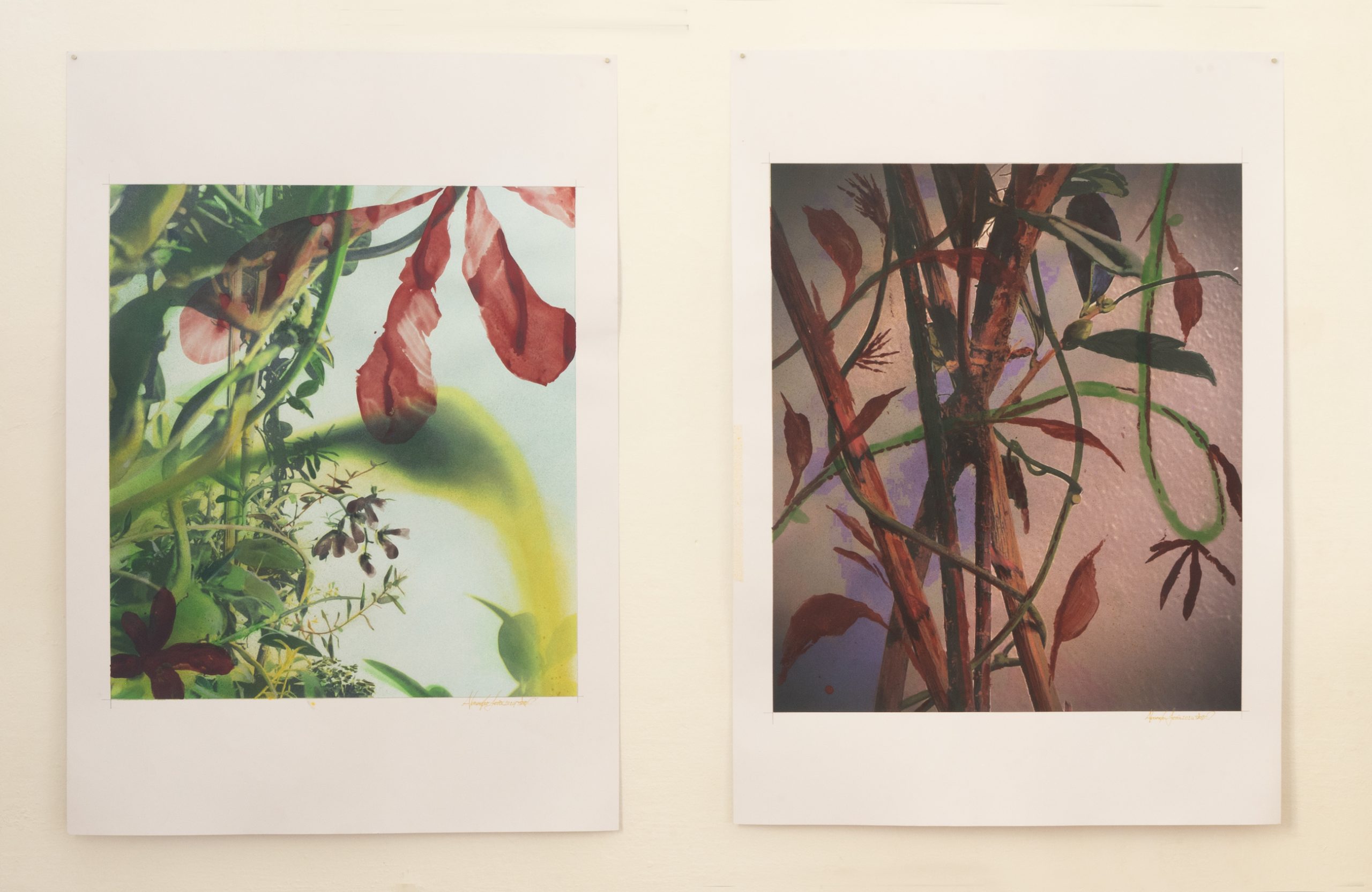
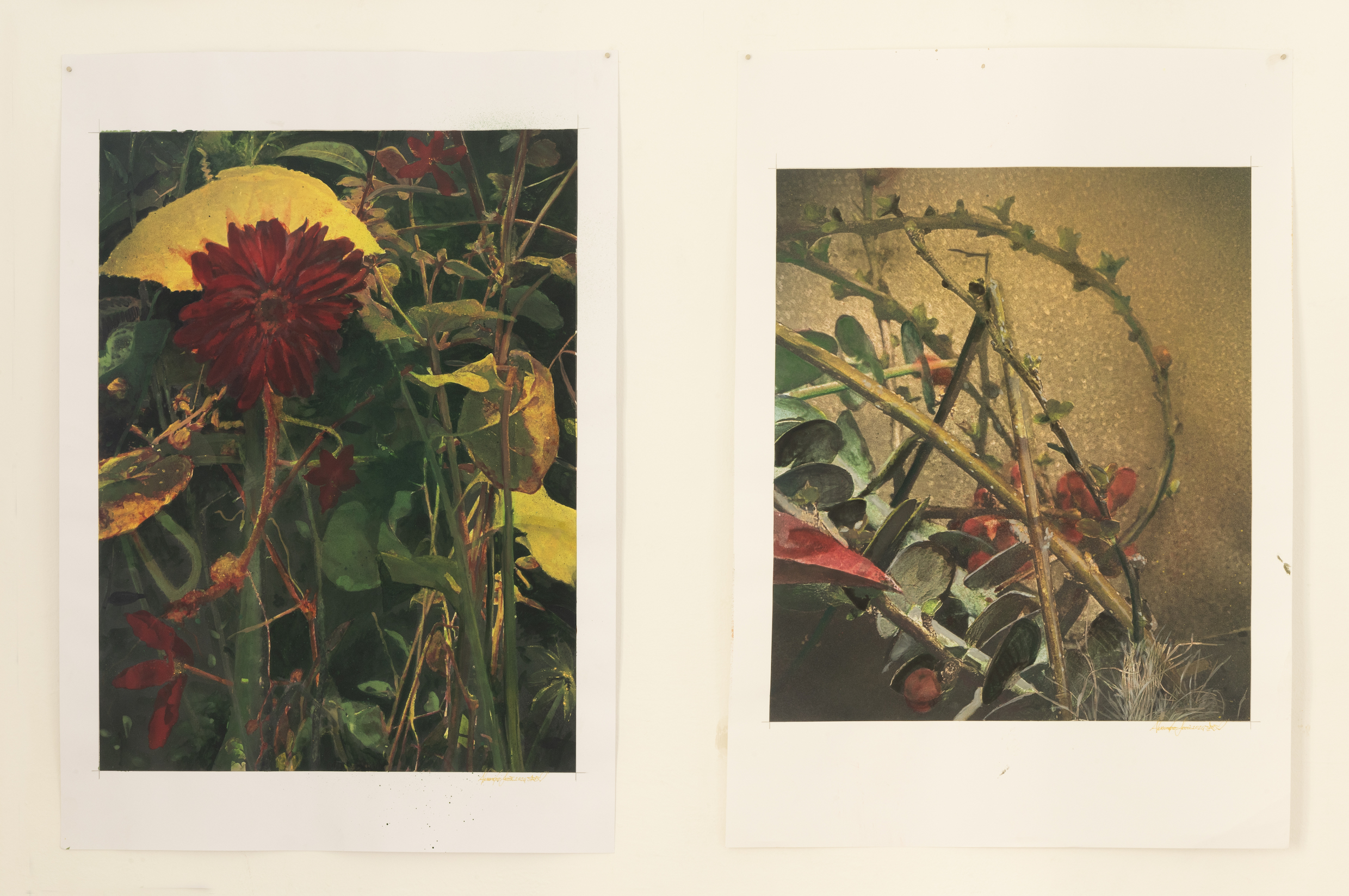
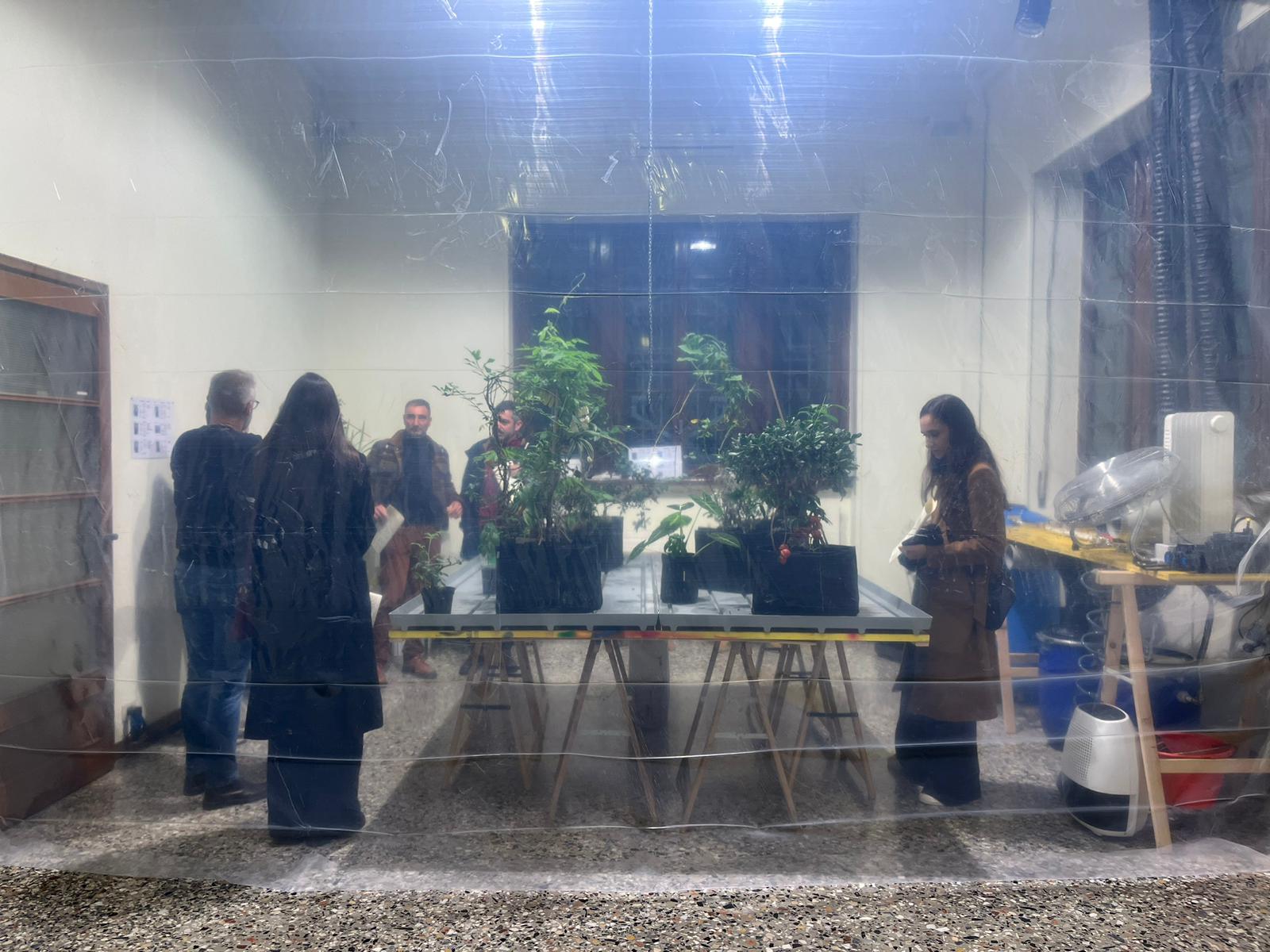
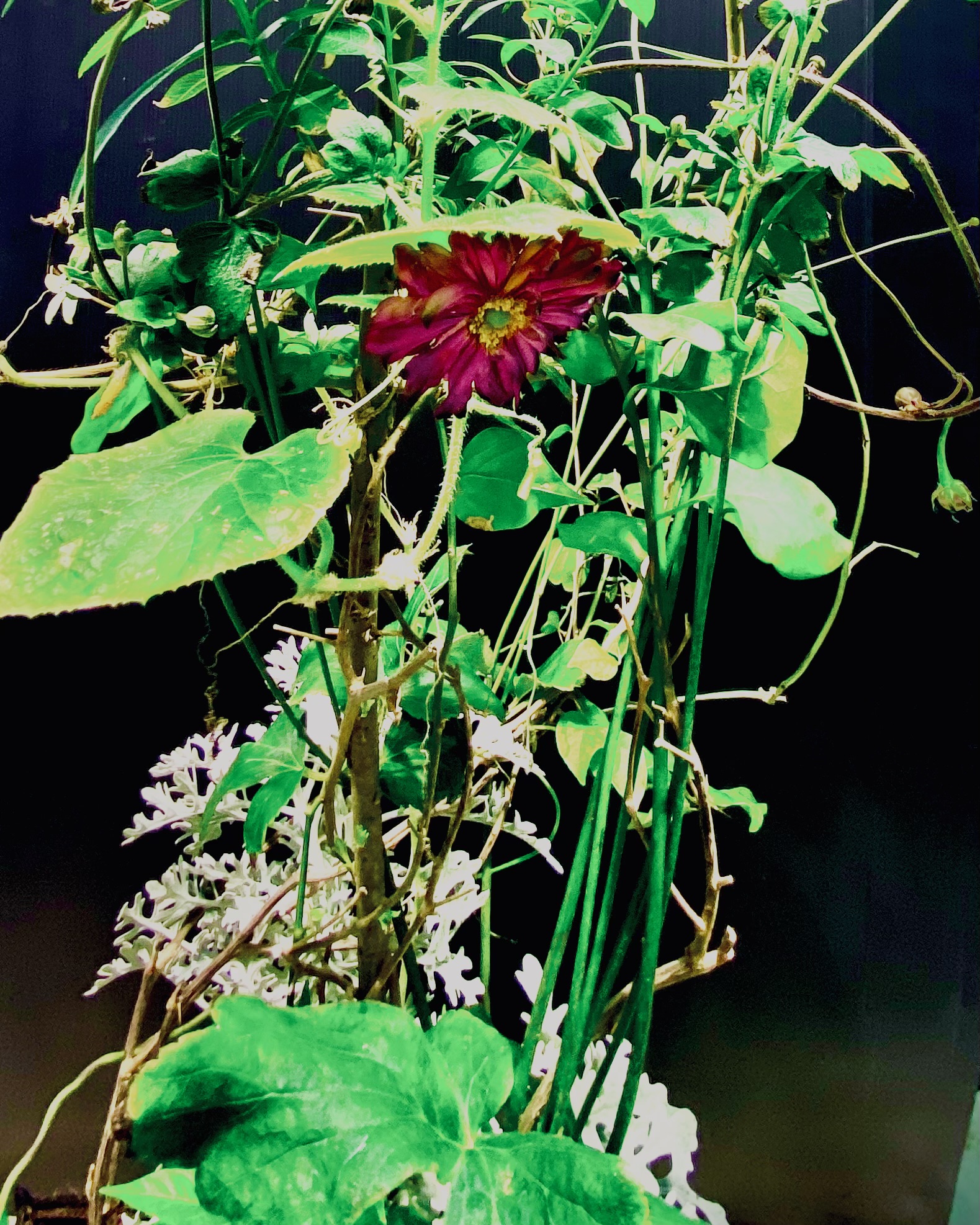
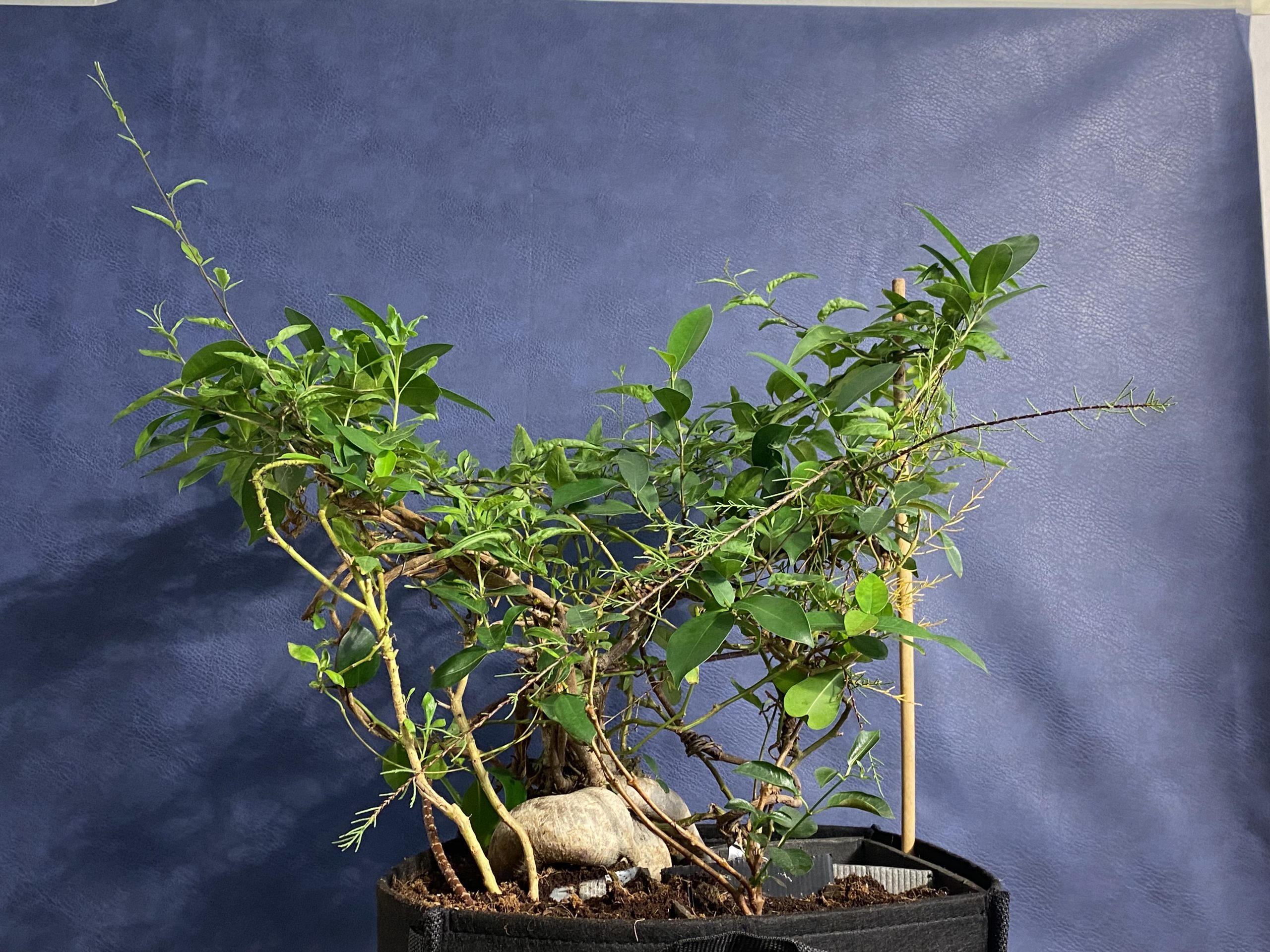
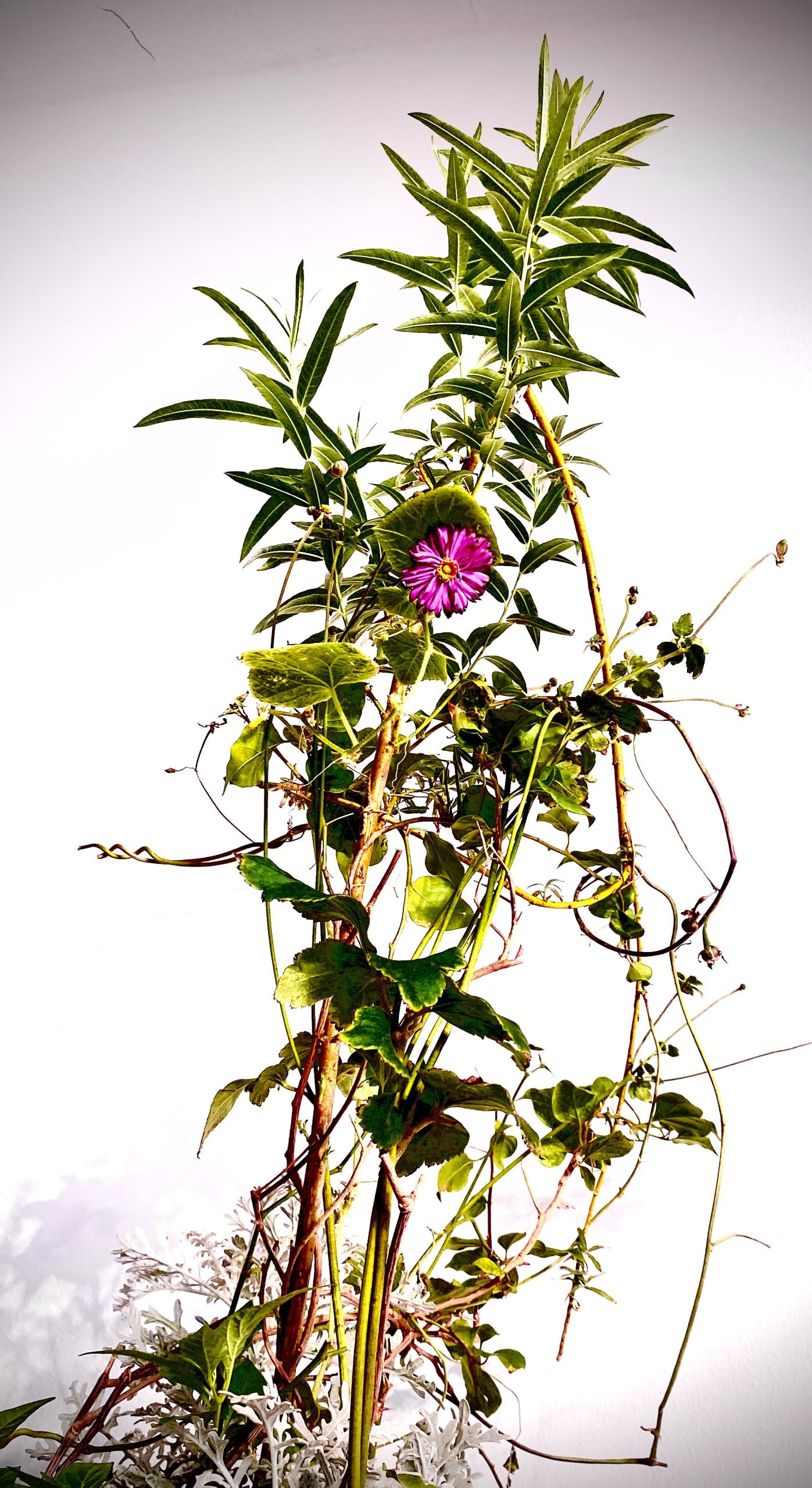
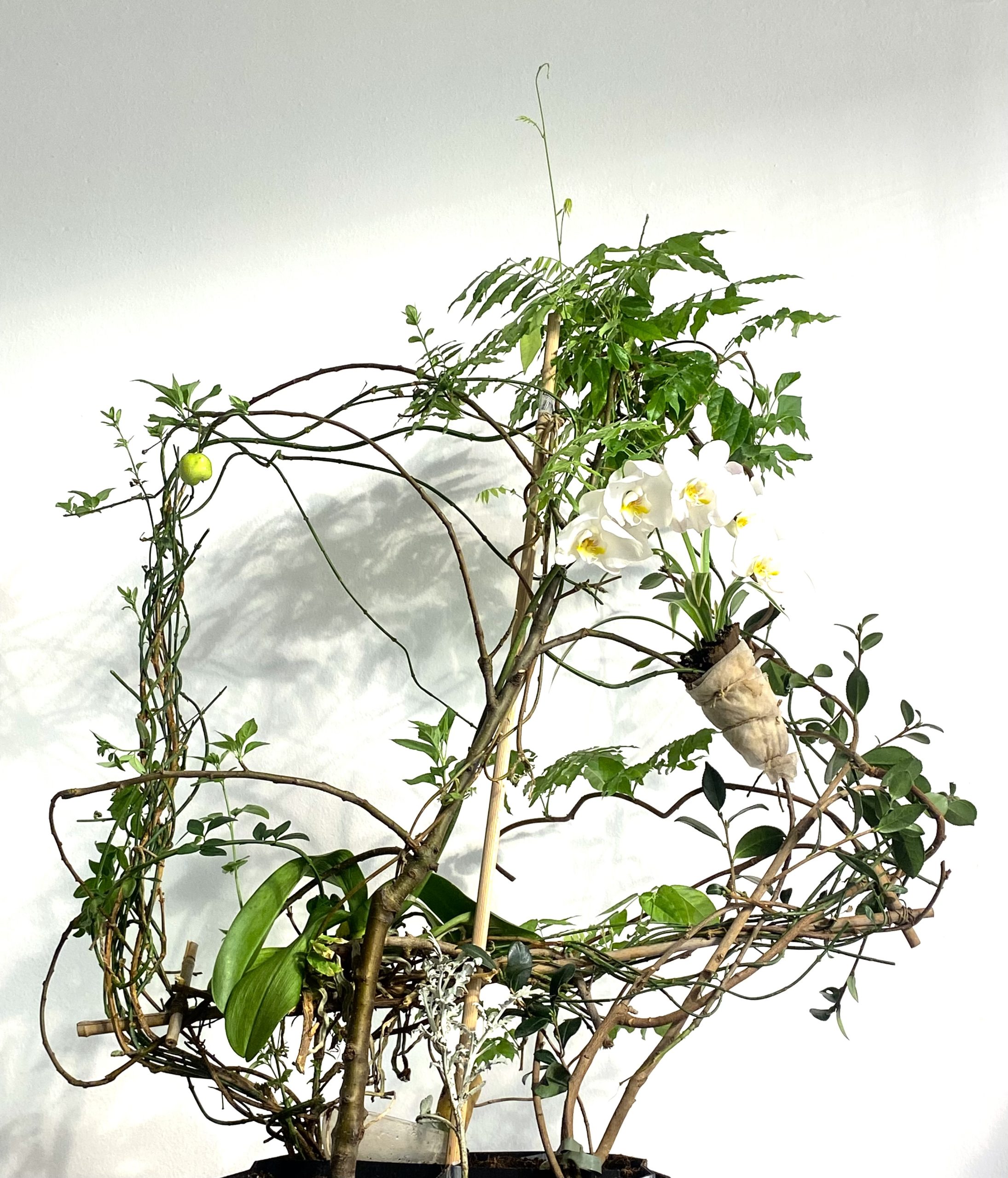
Casa Testori, through the works of Pierpaolo Campanini, Giulia Cenci, Cuoghi Corsello, Alessandro Ferri, and Valerio Nicolai, imagined it as a single body, an extended ribcage capable of uniting the sensitive and the emotional spheres, thought and action as artistically intended. The goal is to evoke feelings about art, but above all, about life itself—a showcase of borderline emotional states that seek to get closer to the reality of passion.
This is how a site-specific artistic project was born in the place where Giovanni Testori lived—a man who fought to defend a highly personal idea of life and art, free from cultural and political constraints.
From the outside, Casa Testori may look like a small provincial train station; over two hundred trains pass by the building every day, connecting Milan to Brianza.
The passing trains on the nearby railway create reverberations and tremors in the museum’s structure: the windows, the wooden doors, and the floor, along with a constant resonance between interior and exterior.
It is precisely from these subtle tremors that the idea for the exhibition was born—the inspiration to imagine Casa Testori as a large ribcage, a place where gentle inner vibrations pass through, where breaths create a subtle communication between organs.
Beyond this lies the idea of a nature that inhabits the body in a total and pervasive way and thus doesn’t need to be sought by humans outside themselves but can be listened to inwardly, in stillness and continuously.
The works exhibited in Casa Testori can be read as a (slow) overflowing of the organism outwards, a movement that reveals its moist zones—of growth and regeneration—and those of death, where dryness and decay reside. Purple is, therefore, a revelation of a purely interior nature that sensually and spontaneously finds an open path to the outside world.